
Joseph R. Greschner, Esq.
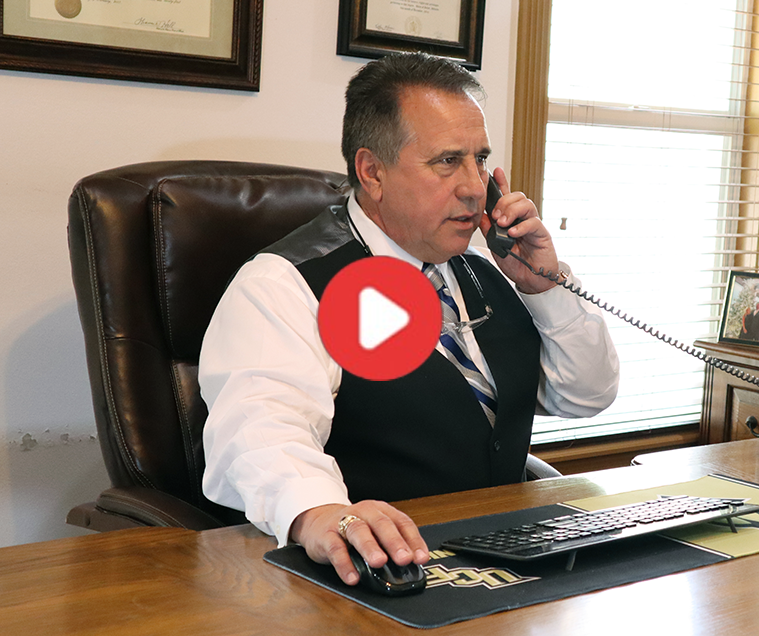
Navigating child support can be one of the most stressful aspects of a divorce or paternity action. In Florida, these financial obligations follow a strict statutory framework designed to protect the welfare of your children. For parents in St. Cloud and throughout Osceola County, having Attorney Joseph R. Greschner by your side ensures that your income, allowable deductions, and parental rights are accurately and fairly represented before the court.
Governed by Florida Statute §61.30, the state operates under an Income Shares Model. This formula estimates the total monthly financial allocation parents would have mathematically spent on their children if the family had remained together in a single household. The court then splits that baseline obligation proportionally between both parties based on their respective incomes.
Determining the final child support transfer amount is a sequential calculation that eliminates guesswork, provided the inputs are legally accurate:
The single most influential modifier in modern Florida child support worksheets is your physical parenting and timesharing schedule. Under the substantial timesharing adjustment formula (§61.30(11)(b)), if a parent is assigned a parenting plan that secures 73 or more overnights per calendar year (at least 20% of the year), the base child support computation adjusts significantly.
Because the parent exercising substantial overnights directly satisfies food, housing, and operational costs while the child is physically in their care, the state lowers their net monthly support transfer obligation based on those verified overnights. Central Florida courts strictly adhere to this formula, meaning an equal 50/50 timesharing split will heavily mitigate support amounts, though it does not automatically eliminate an obligation if a notable income gap exists.
Florida family courts prioritize children receiving proper support over a parent choosing to avoid financial obligations. If a parent is voluntarily unemployed or intentionally underemployed without verified proof of physical or mental incapacity, the judge will impute income. This involves legally pinning an artificial earning capacity to that parent based on historical work records, academic qualifications, and local Osceola County job market patterns.
Additionally, child support guidelines carry prescriptive legal weight. A judge can only deviate up or down by a maximum of 5% from the final baseline worksheet figure to account for standard variations. Any deviation exceeding 5% demands an explicit written finding from the court documenting unique, extenuating reasons—such as extraordinary educational, dental, or specialized medical costs. Attorney Joseph Greschner will fiercely advocate for your rights, whether you need to fight an unfair income imputation or request a necessary deviation to protect your family's true financial reality.
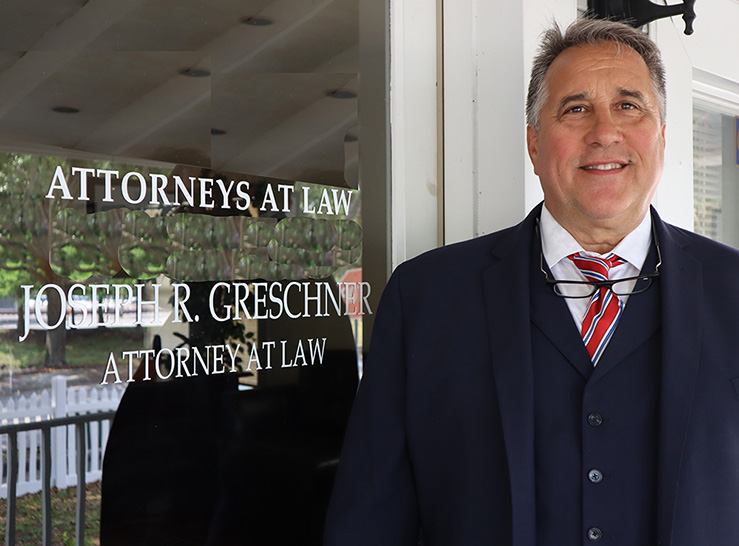
Your financial stability and your children's well-being are too important to leave to chance. Contact the Law Office of Joseph R. Greschner to schedule a consultation with an experienced St. Cloud child support attorney today.
"This man has saved my entire life! I was battling a custody case from out of state and he fought hard for me to have my rights as a father. I have been reunited with my children and without this man's help I wouldn't have been able to do it! He fought for me as if it was his own children. Thank you to Mr. Greschner and everyone working with him in this law office. I am finally able to move forward with my life and with my children by my side. I highly recommend this lawyer."
Jonathon Perez
Verified Google Review
"Entering a world, I didn’t expect to be going into. I contacted the Greschner Law Firm from a referral with trepidation. From the very beginning I felt completely comfortable. They kept me informed and in the loop with upcoming events. This was a contentious divorce with children, he had my back the whole time. With his knowledge in child family law, he was able to win my requests in time sharing with my children which was the highest importance for me. Thank you, Joe. I also want to acknowledge Ellie and Elisa utilizing their paralegal skills; always answering questions, phone calls and emails. They kept everything organized and streamlined. A BIG THANK YOU TO TEAM GRESCHNER!"
surveychris407
Verified Google Review